
The Obeya methodology emphasizes the importance of transparency, accountability, and effective communication.
It is commonly used in project management, lean manufacturing, and agile organizations.
Obeya promotes a culture of collaboration and collective ownership of goals and outcomes.
Obeya helps ensure alignment and coordination across teams and departments.
It enhances visibility and understanding of project status, minimizing delays and bottlenecks.
Obeya facilitates faster decision-making, reducing the need for unnecessary meetings.
Team leaders trained in Obeya methodology can foster a culture of collaboration and continuous improvement.
They help ensure effective implementation and adoption of Obeya across the organization.
Providing ongoing support and training to team leaders strengthens their ability to use Obeya as a management tool.
Obeya draws inspiration from the Japanese concept of 'Gemba,' which emphasizes the importance of going to the actual place where work is done.
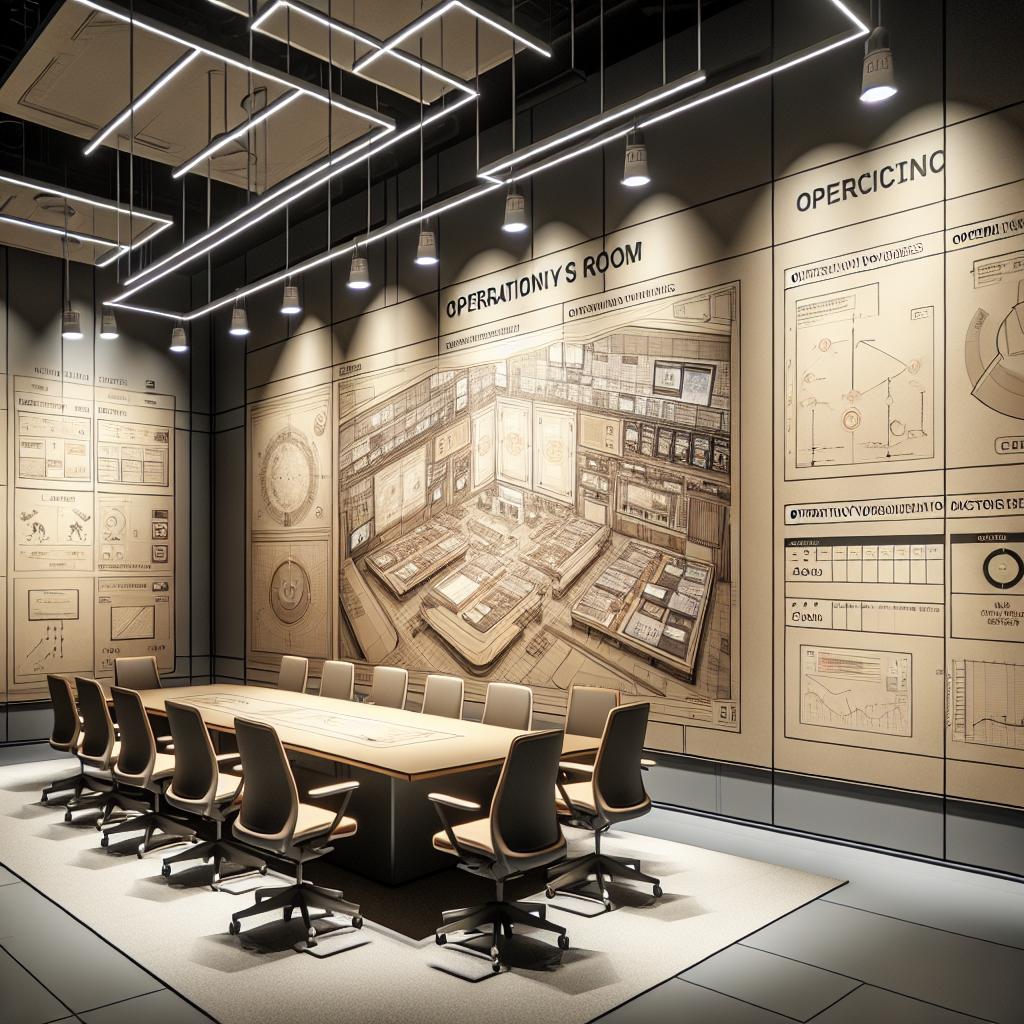
The physical space of an Obeya room is typically organized with visual displays, charts, and indicators to provide real-time information.
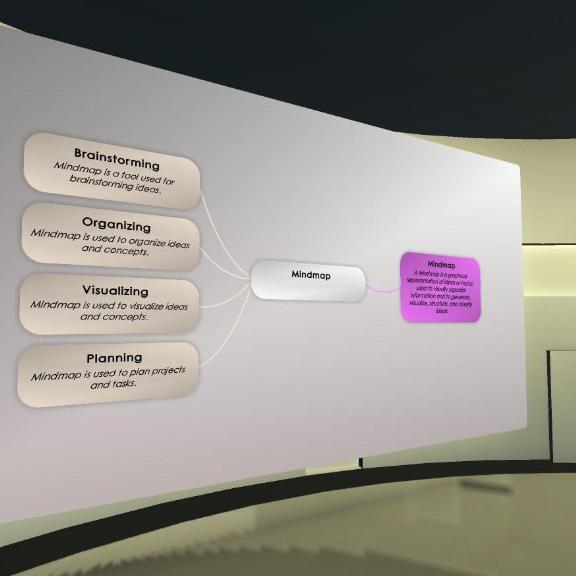
The methodology encourages the use of visual management tools, such as Kanban boards and A3 problem-solving sheets.